Polyaspartic Floor Coating for Your Garage
Request an estimate today
Polyaspartic is a tough floor coating that cures much faster than many older options. That can mean less time with your garage out of use. It also holds up well to sun, tire marks, and spills, which suits a busy home.
Regionsill Floor Coating is a referral service. We do not install anything. We connect you with independent providers in our network who do. You tell us about your floor, ask for an estimate, and compare what local providers offer. After the work is done, we share simple upkeep steps so the floor stays good. Fix it once, then keep it that way.
Need Your Garage Back Quickly?
Most people ask about polyaspartic for one reason. Speed. Many systems cure fast, so a provider may finish a garage in a short visit. Ask each provider how long before you can walk on it and park on it.
Plan around the family. Move cars, bikes, and bins before the visit. Tell the provider about school runs and work hours.
How Polyaspartic Differs From Epoxy
Both are floor coatings. They act differently.
- Cure time: polyaspartic sets faster than most epoxy.
- Sunlight: it resists yellowing better, which helps in a garage with open doors.
- Feel: it often cures to a hard, clear, glossy layer.
- Application window: it sets quickly, so the provider must work with speed and skill.
This is not a do-it-yourself coating. The short working time makes mistakes hard to undo. Know when to stop. Leave the coating itself to a provider.
Full Polyaspartic or Hybrid System?
A full system uses polyaspartic in every coat. A hybrid puts a different base coat under a polyaspartic top coat. Both can work well.
A full system may cost more. A hybrid can save money while still giving a tough, clear finish. Ask the provider why they suggest one over the other for your slab.
Questions that settle it
- Does the slab have cracks or stains?
- Does the sun hit the floor through the door?
- How much weight and traffic does it see?
What You Can Safely Do Before the Visit
Some prep is fair game for a handy homeowner. Clear the floor. Sweep it. Wipe up oil spots with a degreaser and rinse. Look for cracks, flaking paint, and damp patches.
Stop there. Grinding, crack repair, and moisture fixes belong to the provider. Take photos of problem spots to share with them.
The Installation Process
Here is the usual order of work.
1. The provider checks the slab and tests for moisture. 2. They grind the surface so the coating can grip. 3. They fill cracks and pits. 4. They apply the base coat, then flakes if you chose them. 5. They finish with a clear top coat.
Ask how long the floor must stay clear of traffic. Keep pets and kids out until the provider says it is safe.
Where Polyaspartic Works Well
Garages are the classic spot. It also suits patios, porches, pool decks, and laundry rooms. Sunny, open areas are a good match because the coating resists UV fading.
It may be a poor fit on a slab with heavy moisture problems. Ask the provider to test first.
Weather and Timing
Humid, stormy weather can affect coating work. High moisture in the air or the slab can cause trouble. In a region with almost daily summer storms, providers often plan around dry mornings.
During hurricane season, leave room in the schedule for delays. Ask the provider what happens if rain rolls in mid-job.
Choosing Colors and Flake Blends
Flake blends hide dirt and add grip. Solid colors look clean but show dust. Custom floor finishes let you mix colors to match your cabinets or siding.
- Mid-tone blends tend to hide dust well.
- Dark floors show pale dust.
- Light floors show tire marks.
Ask to see a sample in your own garage light. Look at it in the morning and evening.
Caring for a Polyaspartic Floor
Care is simple. Sweep, wipe, recheck.
- Sweep or dust mop weekly.
- Wipe spills when they happen.
- Wash with mild soap and water. Skip harsh solvents.
- Use a soft mop or deck brush.
- Check door edges and cracks every few months.
Put a mat under the car's drip zone. Rinse off road salt or pool chemicals if they track in. Small habits keep the shine.
Questions to Ask the Installer
- How do you prep and test the slab?
- Is this a full or hybrid system?
- How long until I can walk and park on it?
- What does the written quote include?
- What care steps do you suggest?
- What does the warranty from your company cover, in writing?
A good provider answers plainly. Get everything in a written quote.
Compare Providers, Then Decide
Ready to compare? Request an estimate and tell us what your floor looks like. Providers in our network can then reach out.
What's Included
Slab Check
A provider looks for cracks, stains, and moisture before choosing a coating plan.
Surface Grinding
The concrete is ground so the coating can grip well and last longer.
Crack and Pit Repair
Small cracks and pits are filled and leveled before any coat goes down.
Color and Finish
Pick flake blends or solid colors, plus a clear top coat.
Typical Polyaspartic Floor Coating Costs
Prices vary by slab condition, size, and system. These are typical U.S. ranges per job or per square foot. Always get a written quote from each provider before you agree to anything.
| Item | Typical range | Notes |
|---|---|---|
| Two-car garage, full system | $3,000 – $7,000 | Depends on size and prep |
| Hybrid system, two-car garage | $2,500 – $5,500 | Different base, polyaspartic top |
| Per square foot, installed | $5 – $12 | Wide range by region and finish |
| Crack and pit repair | $200 – $800 | More for deep or wide damage |
| Moisture treatment | $300 – $1,500 | Only if testing shows a need |
| Decorative flake upgrade | $1 – $3 per sq ft | Adds color and grip |
How It Works
Tell Us About
Share your floor size, condition, and what you want it to do.
Request an Estimate
Send the request form so local providers in our network can respond.
Compare Written Quotes
Look at prep, system type, timing, and warranty details side by side.
Plan and Maintain
Pick a day that suits your family, then follow the care steps.
Why Call Regionsill Floor Coating
Fewer Days Disrupted
Fast-curing coatings may shorten the time your garage is blocked, which helps busy households.
Sun Resistant
It resists yellowing in bright garages with open doors.
Tough Surface
It stands up to tires, tools, and spills with regular care.
Easy Upkeep
A smooth finish wipes clean with simple tools.
Other Services
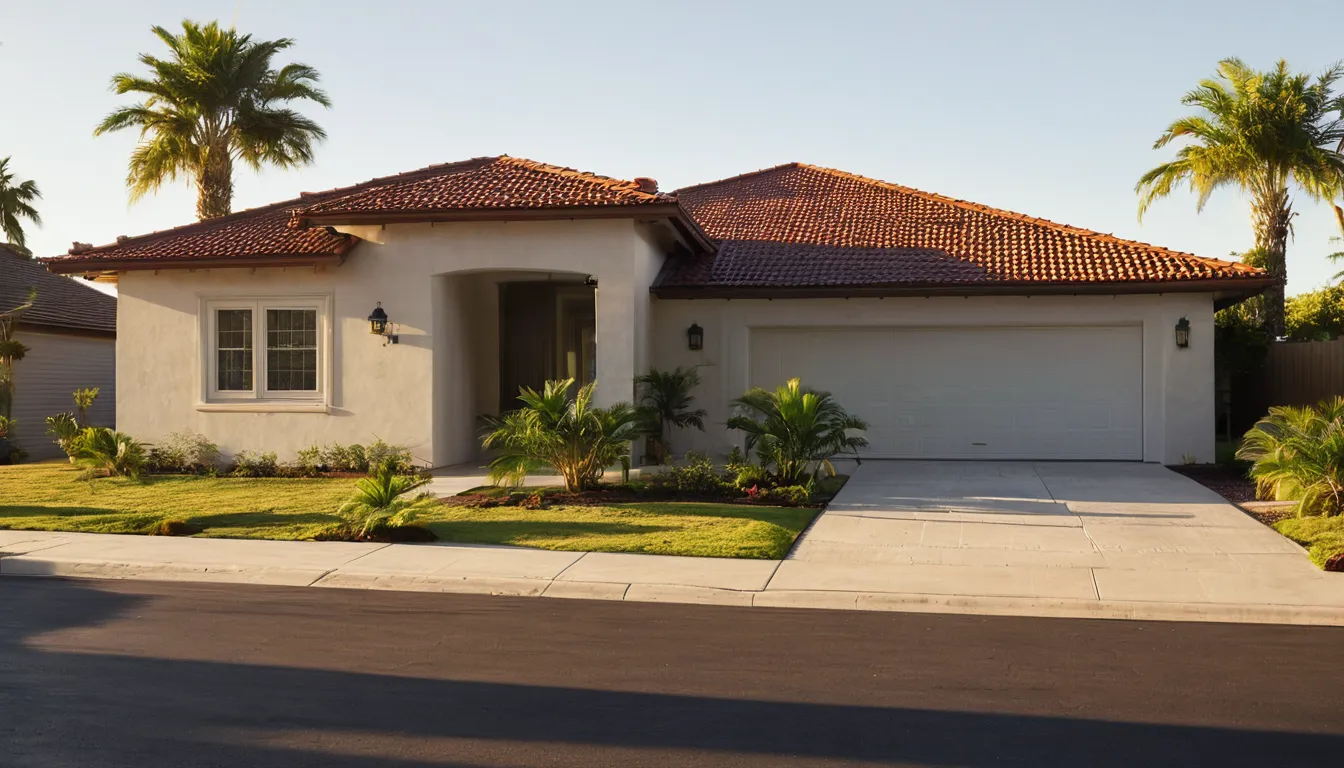
Need polyaspartic floor coating in Tarpon Springs?
Tell us about your garage or concrete floor. Request an estimate and a provider in our network can follow up. Prefer to talk? Request a callback to check provider availability.
No obligationPolyaspartic Floor Coating FAQ
How long does polyaspartic floor coating take to cure?
Many polyaspartic coatings cure faster than epoxy, so some garages are ready for light use sooner. Exact times depend on the product, weather, and slab. Ask your provider when you can walk and park on it.
Is polyaspartic better than epoxy for a garage?
It depends on your needs. Polyaspartic cures faster and resists sun yellowing. Epoxy can cost less. A local provider can explain which fits your slab and budget.
Can I apply polyaspartic coating myself?
It is a risky DIY job because it sets so quickly. You can clean and clear the floor, but let a provider grind and coat it.
Request a callback
Tell us about your garage or concrete floor. Request an estimate and a provider in our network can follow up. Prefer to talk? Request a callback to check provider availability.
No obligation